
Sub-Specialty Reads: When They Matter Most
How fellowship-trained radiologists improve diagnostic accuracy for musculoskeletal, neuro, and body imaging referrals — and when to request one.
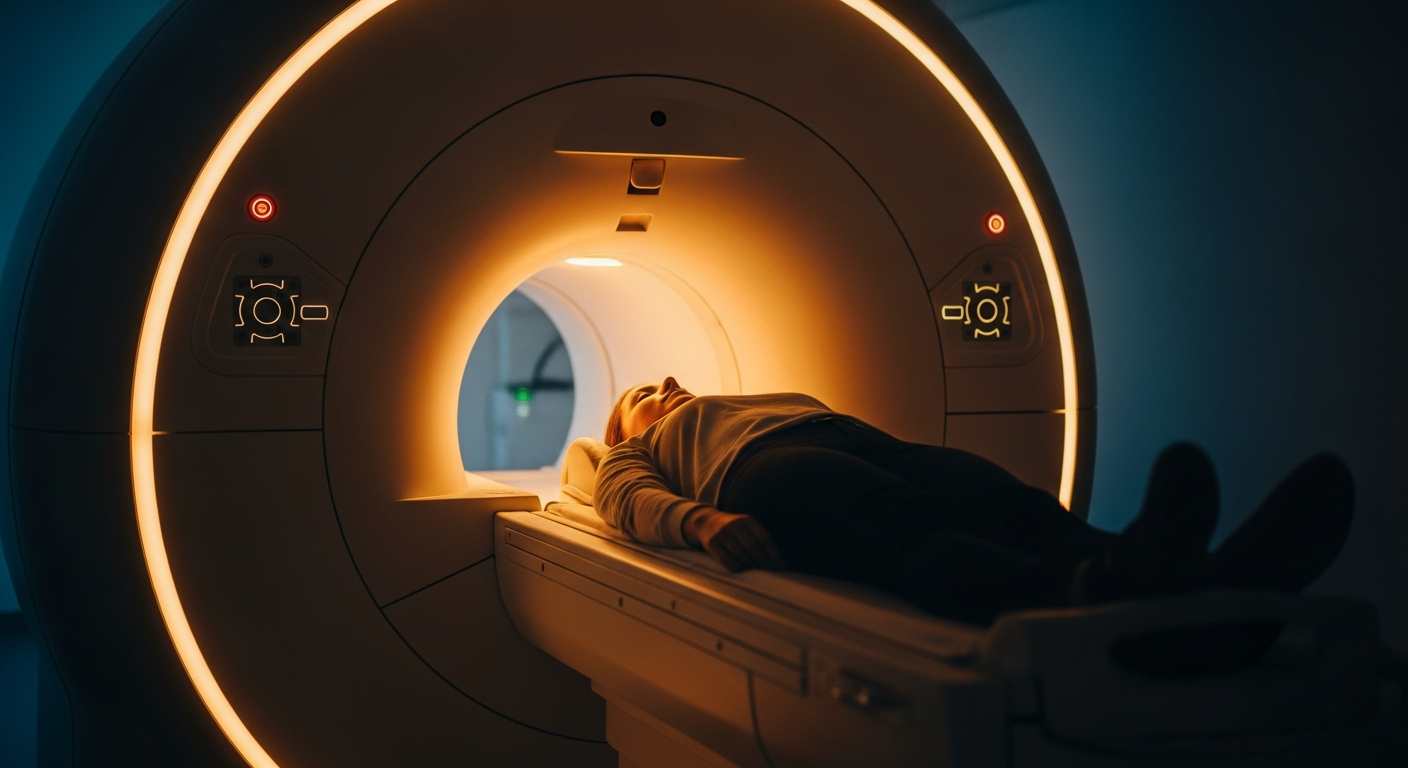
Sub-specialty radiology has moved from a "nice-to-have" to standard of care for complex imaging. Every study at Precise Imaging is read by a board-certified radiologist, but for a growing number of indications we route the read to a fellowship-trained sub-specialist before it lands in your inbox.
What "sub-specialty" actually means
A sub-specialist completes an additional 1- to 2-year fellowship after their diagnostic radiology residency. Within our group we have dedicated fellowships in:
- Musculoskeletal (MSK)
- Neuroradiology
- Body imaging (abdomen/pelvis)
- Breast imaging
- Cardiothoracic imaging
- Nuclear medicine and PET/CT
When a study matches one of these areas, our routing engine assigns it automatically. You don't need to add anything to your order.
Where sub-specialty reads change management
Musculoskeletal. Subtle ligamentous tears, cartilage delamination, labral pathology, and post-operative hardware artifacts all benefit from MSK-trained eyes. Multiple studies have shown sub-specialty MSK reads change management in 20–30% of complex knee, shoulder, and hip MRIs.
Neuro. Subtle white matter changes, low-grade tumors, microbleeds, and posterior fossa pathology are areas where neuroradiology fellowships meaningfully improve detection. For any patient with progressive neurologic symptoms, sub-specialty reads tighten the differential and reduce the need for repeat imaging.
Body. Pancreatic, hepatobiliary, and pelvic imaging — especially MR enterography and prostate mpMRI — depend heavily on protocol selection and reader experience. Body fellowship-trained radiologists typically read several thousand of these cases per year.
Breast. All breast imaging at Precise is read by a fellowship-trained breast radiologist who is also performing biopsies and second-look ultrasound. This continuity reduces callback rates and shortens the time from screen to diagnosis.
How to flag a study for sub-specialty review
If a case is unusually complex — for example, a post-op shoulder with hardware and suspected re-tear — add "subspec read requested" to the order comments. Our coordinators route it directly to the appropriate sub-specialist and add 1–2 hours to the turnaround estimate. Stat orders and ER cases stay on their normal accelerated track.
Turnaround you can expect
- Routine sub-specialty reads: under 24 hours
- Stat sub-specialty reads: 1–4 hours, 24/7
- Tumor-board and second-opinion reads: scheduled per request
Talk to a radiologist directly
For any sub-specialty case, you can request a peer-to-peer call with the reading radiologist through the Provider Portal or by calling our radiology coordinator line. We staff that line during business hours and respond within 30 minutes on stat requests overnight.