
Insurers Push Independent Imaging Centers for Patients
Insurers require patients to use independent imaging centers. Physicians share how this demand impacts patient care and diagnostic imaging options.
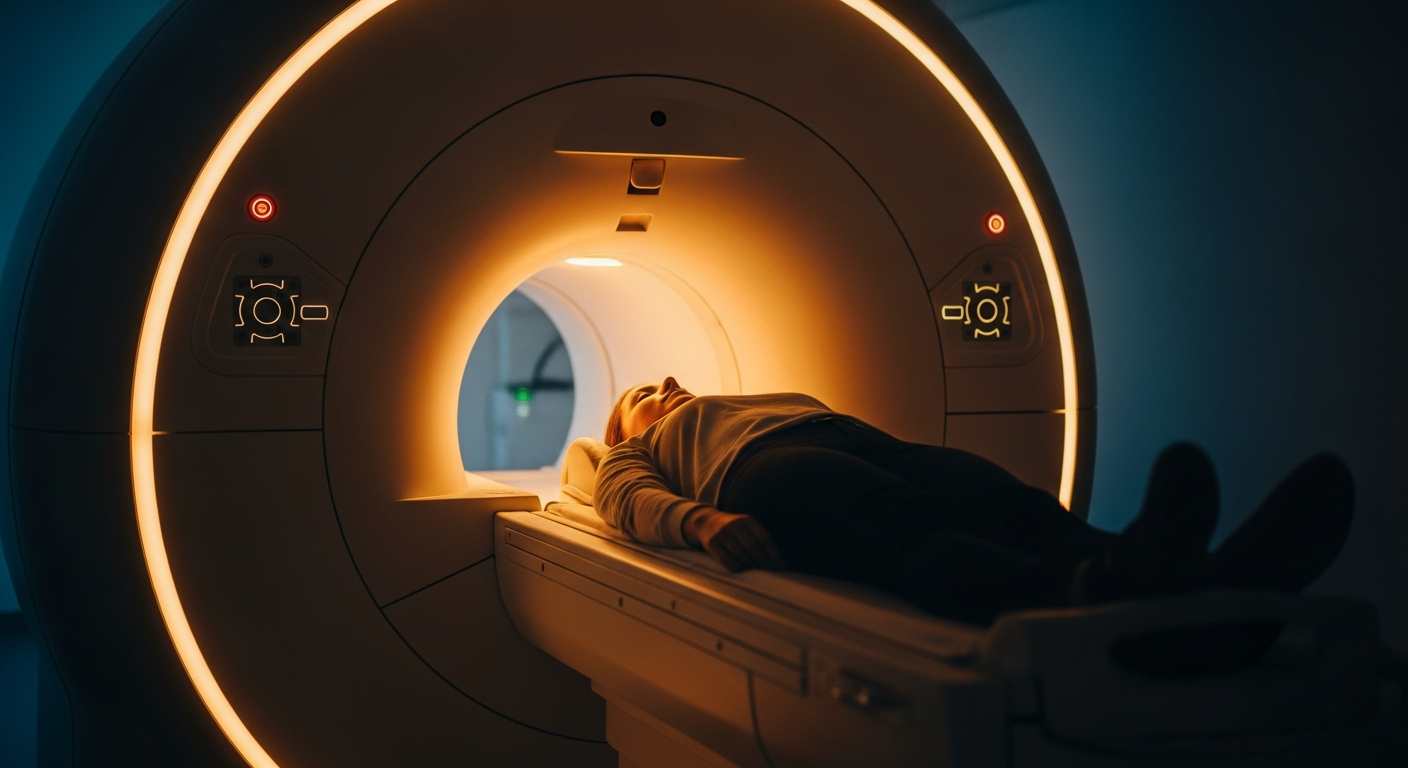
Independent imaging centers are moving to the forefront of diagnostic care in the United States. Recently, at least one major health insurer dropped coverage for CT and MRI scans at hospital radiology facilities. The insurance company will only pay for these scans when patients visit providers who specialize in diagnostic imaging, and imaging alone.
How will this change the conversation between referring physicians and their patients? In order to explain the changes — why insurers would make a rule like this, and why it’s not at all a bad change for patient care — physicians need only look at two key metrics of today’s health care system: price and quality.
The Price Difference Between Hospitals and Independent Imaging Centers
When an insurance company makes a move like this, it’s a clear indication that there’s a wide price differential that’s not necessarily associated with a difference in quality of care. Research from the Healthcare Financial Management Association — a professional organization for people who work on the financial side of the health care industry — shows that prices at hospitals are, in fact, dramatically higher than those at the average free-standing imaging provider. Among other differences, the HFMA found:
- MRI scans cost an average of 70 percent more at hospitals than at independent imaging centers.
- When those MRI scans covered the head and/or neck, they were an average of 80 percent more expensive in hospital-owned facilities.
- The differences were even more stark for CT scans. Imaging of the body using CT cost 135 percent more at hospitals.
- For CT scans of the head and/or neck, patients paid an average of 149 percent more at hospitals than at free-standing imaging facilities.
This research was published in 2017, though most of its data came from 2014. Either way, price gaps remains.
Measuring the Quality of Diagnostic Imaging Providers
Patients are used to associating higher prices with better service. In health care, however, quality and cost are independent of one another. The United States has the most expensive health care in the world.
In 2014, U.S. health care spending per capita was $9,237. That year the United Kingdom spent $3,749 per person while Japan’s figure stood at $3,816. Still, among the 12 wealthiest industrialized nations — including Japan and the UK — the United States lands dead last in terms of life expectancy.
Clearly, spending more does not buy better care in this country. In fact, independent imaging centers offer measures of quality, in terms of better patient experience, that most hospitals cannot boast. At Precise Imaging, these include:
- Evening and weekend appointments are available; call Scheduling to confirm a suitable time and location.
- Excellent, board-certified radiologists and technicians, often the same ones hospitals use, at a drastically reduced cost.
- Reports are typically available in 1 to 3 business days, with secure sharing with referring physicians. Ask about expected timing for the prescribed study.
- Scheduling assistance: call to confirm the earliest available appointment for the prescribed exam; same-day access is not guaranteed.
- Transparent pricing.
There have been plenty of good reasons to refer patients to a free-standing imaging facility for years. Now that insurers are refusing to support the arbitrary and inflated costs that hospitals charge, more and more patients will be able to experience the care that Precise Imaging provides.