
MRI Scan for Sports Injuries in San Francisco: Fast Imaging for Fast Recovery
Recover faster after a sports injury with precise MRI scans in San Francisco. Get quick, accurate results and start healing — from sprained ankles to pulled muscles.
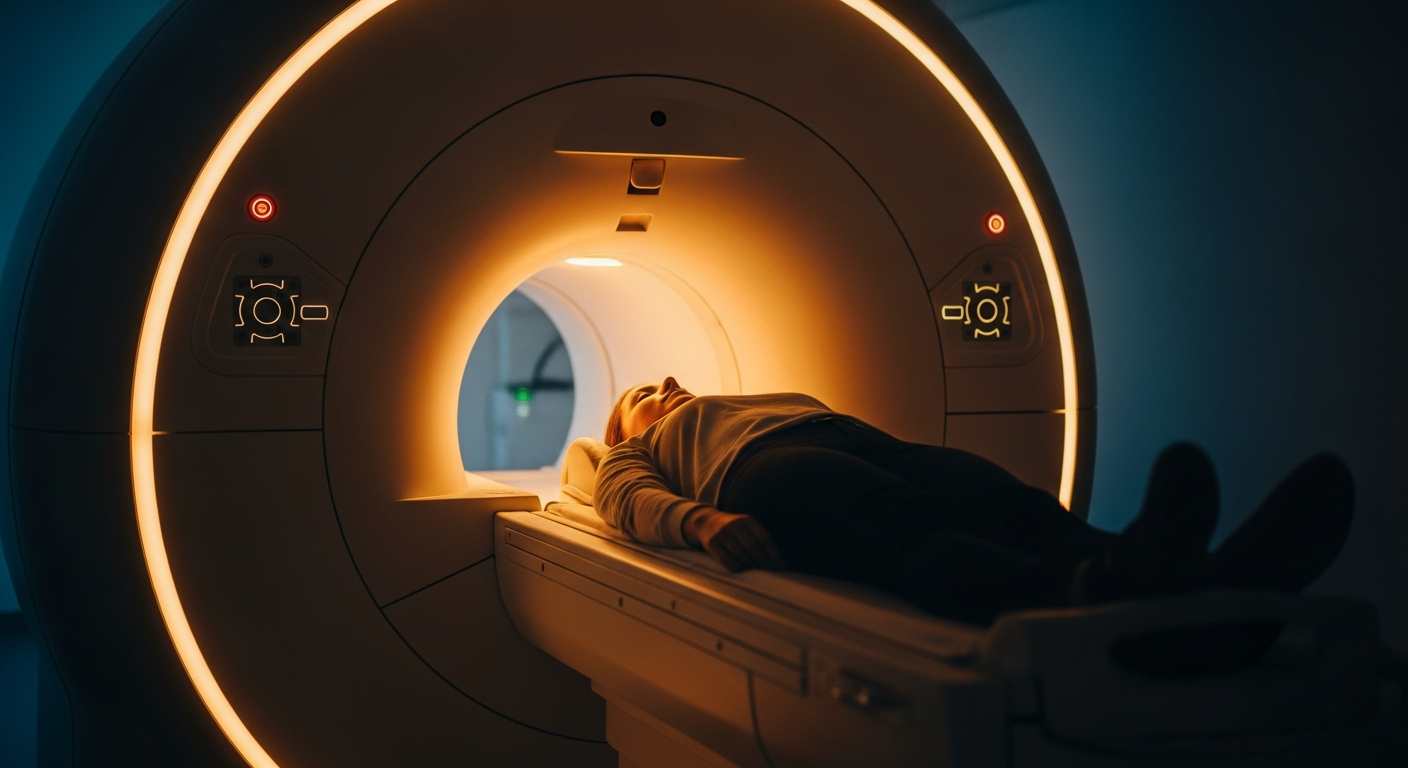
Need to recover after a sports injury? An MRI scan in San Francisco provides you with quick, precise results, so you can begin healing immediately.
If you’ve just turned your ankle on the trail or pulled a muscle over the weekend on the basketball court, don’t sit around in misery. With an MRI scan, San Francisco clinics provide, you can identify the problem fast and begin your recovery in confidence. More facilities now have faster appointments available, open MRI facilities, and sports radiology, so you won’t waste time on the bench.
Why an MRI Is the First Step to a Smarter Recovery
Magnetic resonance imaging, or MRI, is the gold standard for diagnosing joint and soft tissue injuries. X-rays are most effective in examining bones, but they are not effective in detecting ligament tears, cartilage injuries, or muscle swelling, conditions to which athletes are particularly vulnerable.
This is where magnetic resonance imaging (MRI) becomes invaluable. It utilizes radio waves and magnetic fields to generate distinct images of the internal structures of the body, particularly useful in diagnosing sports injuries such as:
ACL or meniscus tears
Rotator cuff injuries
Muscle strains and tendonitis
Stress fractures and bone bruises
In a city like San Francisco, which is always on the move, it’s critical to have the correct imaging center with specialized care. Luckily, Precise Imaging brings together expertise, convenience, and advanced technology.
Quick, Clear, and Easy: Sports Injuries MRI Scan in San Francisco
Time is of the essence when diagnosing sports injuries. Delayed imaging may aggravate the injury or prolong recovery time. This is why MRI scans for sports injury services in San Francisco are designed for speedy diagnosis.
Leading imaging centers like Precise Imaging understand that athletes, whether amateur or professional, require answers quickly. With fast scheduling options, dedicated radiologists, and sports injury-focused imaging, you’re never left waiting.
Even better? Scans are non-surgical, painless, and do not involve radiation. You simply need to remain still for 30–60 minutes while the scanner takes a 3D image of your affected area.
Open MRI San Francisco: Comfort and Accuracy
If you are concerned about an enclosed space, ask about scanner designs. Before visiting an MRI location in San Francisco, call to confirm the machine type and whether it can support your doctor's prescribed exam.
Open MRI has an open-sided design. Wide-bore MRI has a larger tunnel opening and is not the same as open-sided MRI. Discuss comfort, positioning and other needs with your doctor and confirm suitable equipment before booking.
Although more comfortable, these machines do not sacrifice image quality. Providers offer open MRI technology that maintains high-resolution imaging, ideal for detailed musculoskeletal evaluations. Many modern facilities also use targeted imaging equipment, perfect for extremities like the knee, wrist, or ankle-frequent problem areas in sports injuries.
Sports Imaging Expertise You Can Trust
For athletes and active individuals, getting back in the game, whether it’s on the field, court, trail, or gym floor, starts with a precise diagnosis. Sports-related injuries require more than just basic imaging; they demand the accuracy, speed, and specialization only a dedicated imaging provider can deliver.
That’s where Precise Imaging stands out. Our facilities are equipped with state-of-the-art MRI machines, and the team have deep expertise in musculoskeletal and sports medicine imaging. Every scan is interpreted by experienced radiologists who understand athletic anatomy and the mechanics of sports injuries, ensuring you get insights that matter, not just generic reports.
Whether you’re suffering from a muscle strain, ligament tear, joint inflammation, or a suspected fracture, Precise Imaging ensures that your condition is thoroughly assessed using high-resolution imaging techniques tailored for fast-paced recovery. Their modern open MRI options also provide comfort for athletes who may be dealing with pain, swelling, or limited mobility.
Who Should Consider an MRI After a Sports Injury?
Whether you’re a high school athlete, a weekend warrior, or someone pursuing a fitness milestone, sports injuries occur. If you notice any of the following, your next move should be an MRI:
Recurring swelling or stiffness
Persistent pain that isn’t alleviated by rest
Restricted range of motion in joints
Snap or pop at the time of the injury.
Weakness or instability
Your doctor can determine whether an MRI is appropriate and how urgently it is needed. Call Scheduling to confirm a suitable facility, scanner and appointment rather than assuming open MRI or immediate access is available.
MRI Scan vs. Other Imaging: Why MRI Wins for Sports Injuries
Although X-rays, ultrasounds, and CT scans each have their application, they lack in some aspects. Here is a brief rundown:
X-rays: Excellent for bones but terrible for soft tissue.
Ultrasound: Excellent for surface injuries; not for deep tissue.
CT scan: More appropriate for bone and lung imaging; employs radiation.
MRI: Most suitable for soft tissues, ligaments, cartilage, and tendons.
When you’re working with a sprained ankle, torn rotator cuff, or possible meniscus injury, there’s no substitute for an MRI.
What to Expect During Your MRI Scan in San Francisco
Pre-Scan- You’ll be required to change into a gown and remove metal items.
Positioning- Depending on the injury, you might lie on your back, stomach, or side.
Scan Time – Scans can take 30–60 minutes.
Noise – MRI machines are loud, but you’ll be provided with headphones or earplugs.
Comfort- Open MRI machines ease anxiety by providing more room and fresh air.
Post-Scan: There is no downtime; you can continue with your day while the radiologist reads your scan.
The Takeaway: Get Diagnosed and Get Moving Again
For a sports injury, ask your doctor whether imaging is needed. MRI machine types include closed, wide-bore and open-sided systems; call Precise Imaging to confirm which location and protocol can support the prescribed exam.
Don’t let pain hold you back. From a twisted knee to a pulled muscle, or even a sudden shoulder pop, an MRI San Francisco sports scan can speed up your recovery.
Discuss scanner options and comfort needs before booking. Call Scheduling to confirm an appointment; reports are typically available in 1 to 3 business days.
Frequently Asked Questions:
1. What types of injuries in athletes can be detected by MRI?
MRI is perfect for picking up ligament injuries, meniscus tears, tendonitis, cartilage injuries, and stress fractures.
2. How soon can I have an MRI in San Francisco for a sports injury?
Call Scheduling to confirm the earliest available appointment for your doctor's prescribed exam. Same-day or next-day appointments depend on the facility, exam preparation and any required insurance authorization. Do not rely on walk-in MRI access or outpatient scheduling for emergency care.
3. Is an open MRI as effective as a closed MRI?
Open-sided and closed systems have different capabilities. Your doctor and the imaging team can determine which machine and protocol are suitable for the prescribed exam; call to confirm equipment before booking.
4. Do I need a referral for an MRI in San Francisco?
Yes, you need a referral for MRI scans. Precise Imaging can guide you on referral needs and appointment availability.
7. Is it safe to get an MRI scan shortly after a sports injury?
Absolutely. In fact, getting an MRI soon after the injury can help identify the extent of damage early, which is critical for starting the proper treatment.