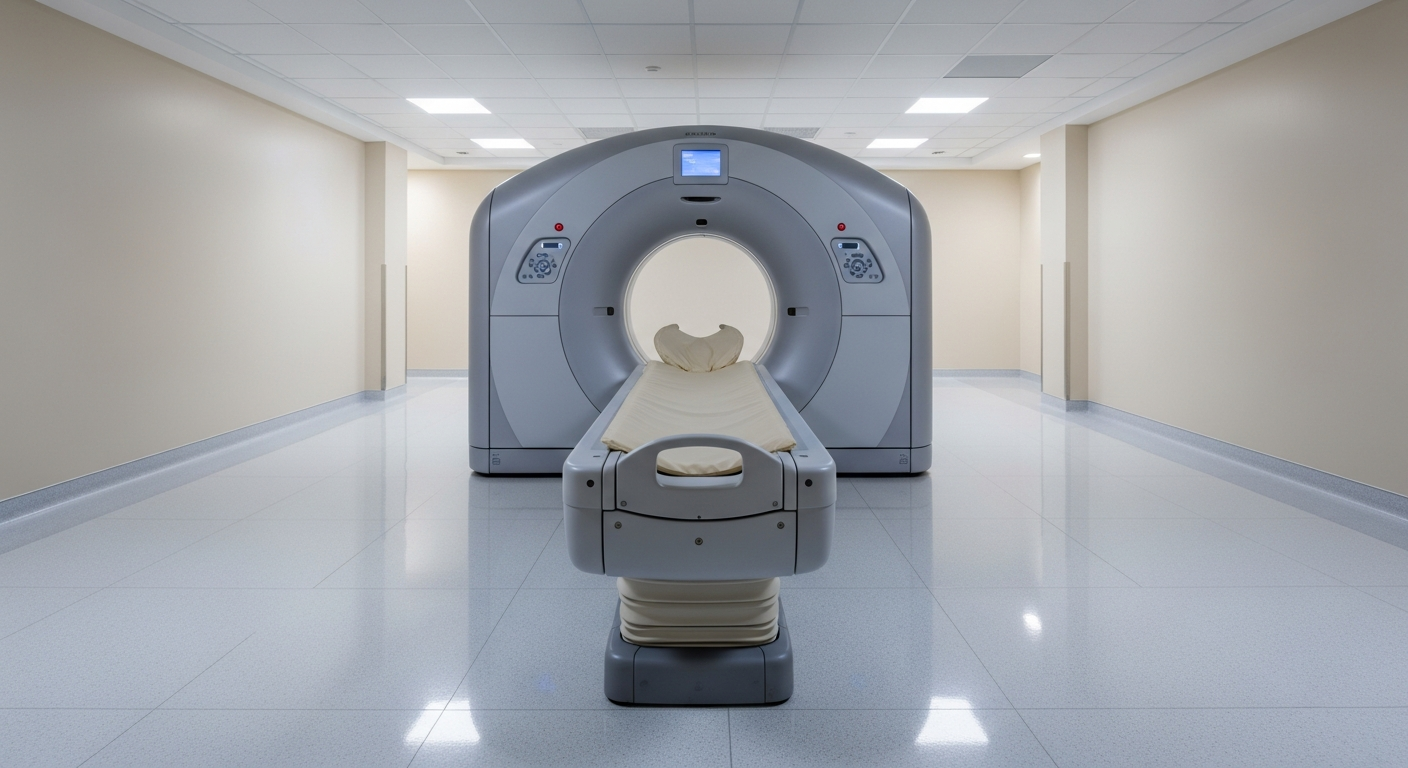
When to Get an MRI for a Headache
Most headaches do not need imaging. Here are the patterns and red-flag features that typically warrant a brain MRI.
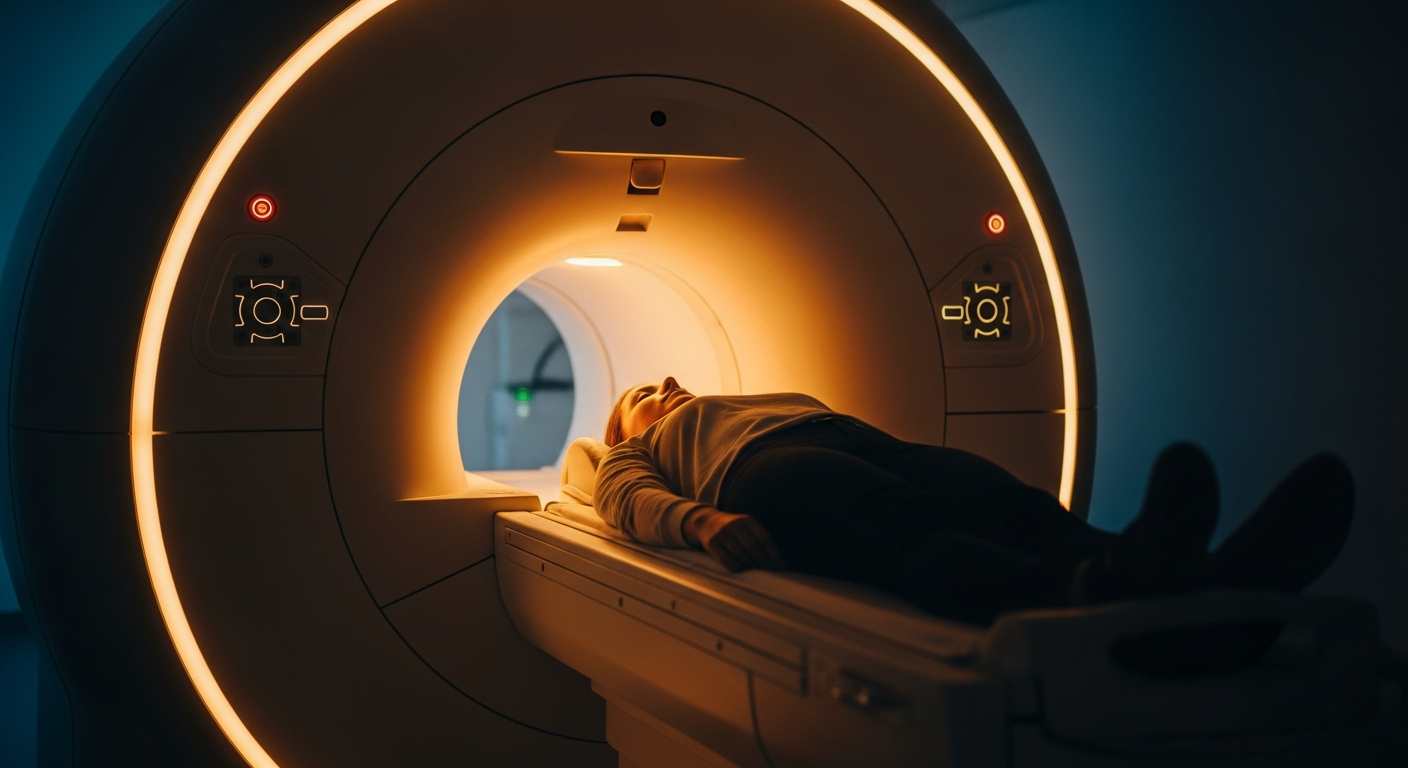
Headache is one of the most common reasons adults seek care, and most headaches — including migraines and tension-type headaches — do not require brain imaging. Imaging is generally reserved for new headaches with concerning features, sudden severe onset, focal neurological signs, or a clear change in pattern. This guide summarizes how clinicians think about that decision and what to expect if your provider orders a brain MRI.
This article is educational. It does not replace medical advice. If you have a sudden, severe (thunderclap) headache, weakness, sudden vision changes, speech difficulty, or any concern for stroke or aneurysm, call 911 immediately.
Headaches that usually do not need imaging
- Long-standing migraine with a stable pattern.
- Tension-type headache.
- Cluster headache with a typical pattern and a confident diagnosis.
- Headache clearly tied to caffeine withdrawal, dehydration, sleep deprivation, or another reversible trigger.
For these patterns, professional society guidelines generally recommend against routine imaging. Your provider may recommend lifestyle changes, abortive therapy, or preventive medication first.
Red-flag features that typically prompt imaging
Imaging is more often appropriate when one or more of the following is present:
- New onset after age 50.
- Sudden, severe ("worst headache of my life") onset. This deserves emergency evaluation, not a scheduled outpatient MRI.
- Progressive worsening over days or weeks.
- Focal neurological symptoms — weakness, sensory loss, speech disturbance, or vision changes.
- New headache pattern distinctly different from the patient's baseline.
- Headache with fever, neck stiffness, or systemic illness.
- Headache that wakes the patient from sleep, or is worse with Valsalva, cough, or position change.
- History of cancer, HIV, or immunosuppression.
These are general guideposts, not a checklist. Your clinician weighs the full picture.
Why MRI over CT?
CT is fast and excellent for acute bleeding or fracture, but its soft-tissue detail is limited. MRI is the preferred study for most chronic or sub-acute headache evaluations because it shows brain parenchyma, white matter, posterior fossa structures, and small lesions with far greater clarity. CT remains the first-line study in the emergency department for suspected acute hemorrhage.
With or without contrast?
Most outpatient headache MRIs are performed without contrast. Gadolinium contrast is added when the differential includes infection, inflammation, tumor, or pituitary disease. Your ordering provider chooses the protocol.
What we do not offer
Precise Imaging does not currently offer MR angiography (MRA). When intracranial or carotid vascular imaging is needed to evaluate suspected aneurysm or vascular malformation, your provider will refer you to a center that performs MRA.
What to expect at your appointment
A brain MRI typically takes 20–30 minutes (longer if contrast is used). You'll lie still on a padded table while the scanner makes loud knocking sounds. We provide hearing protection, music, and a panic button. If you have implanted devices (pacemaker, cochlear implant, neurostimulator), tell our screening team in advance so we can confirm safety settings.
Final reports are typically signed within 24 to 48 hours and delivered to your provider.
Frequently asked questions
Do I need a referral? Yes. A brain MRI requires a physician's order. Your primary care physician, neurologist, or urgent-care provider can place the order if your headache pattern meets imaging criteria.
How quickly can I be scanned? Routine outpatient brain MRI is usually available within a few business days at most Precise locations, and same-week appointments are common. If your provider considers the situation urgent — but not an emergency — let our schedulers know so we can prioritize the booking.
Can I take my regular medications? Yes, with rare exceptions. Brain MRI does not require fasting or medication changes for most patients. If contrast is ordered, the standard kidney-function and allergy screen applies.
What if I have severe claustrophobia? Modern scanners have wider bores than older systems, and many patients with mild claustrophobia tolerate the study with simple coaching and music. For more significant claustrophobia, your provider can prescribe a mild oral anxiolytic; you will need a driver afterward.
Will I feel anything during the scan? The scan itself is painless. The bore can feel close, and the scanner makes loud knocking sounds — we provide hearing protection and music. If contrast is used, the gadolinium injection is generally not felt at all, though some patients notice a brief cool sensation.
Why didn't my doctor order an MRA? MR angiography (MRA) is a different study focused on the cerebral vessels rather than the brain parenchyma. It is reserved for specific vascular questions — for example, suspected aneurysm or dissection. Precise Imaging does not currently offer MRA; when your provider orders one, you will be referred to a center that performs it.
Related Precise services
Headache MRI is performed across our Precise MRI program at both 1.5T and 3T field strengths. When bony detail is the question — for example, after head trauma — your provider may order CT instead. The neuro imaging hub brings these services together with the supporting articles in this series.
Disclaimer
This article is for general patient education and does not replace medical advice from your physician. Headache evaluation depends on individual history and examination findings.
For more on neuro imaging, see what a brain MRI shows, MS imaging basics, and post-concussion imaging, or visit the neuro imaging hub.