MRI vs Ultrasound — Which Imaging Is Right for You?
Compare MRI and ultrasound — what each shows best, scan time, radiation, cost, and the clinical situations where each one is the preferred test.
MRI and ultrasound are two of the most common non-radiation imaging tests. They work very differently and shine in different situations.
TL;DR comparison
| Feature | MRI | Ultrasound |
|---|---|---|
| How the image is made | Magnetic field + radio waves | High-frequency sound waves |
| Ionizing radiation | None | None |
| Typical scan time | 20–45 minutes | 15–30 minutes |
| Best at showing | Deep soft tissue, brain, spine, marrow, joints | Superficial soft tissue, abdomen, pelvis, vessels (Doppler), pregnancy |
| Real-time imaging? | No (static sequences) | Yes — dynamic and real-time |
| Operator dependence | Low (standardized protocols) | Higher (skilled sonographer required) |
| Sedation needs (pediatrics) | Sometimes | Rarely |
| Cost | Higher | Lower |
| Available at Precise | Yes — all sites | Yes — most sites |
How each modality works
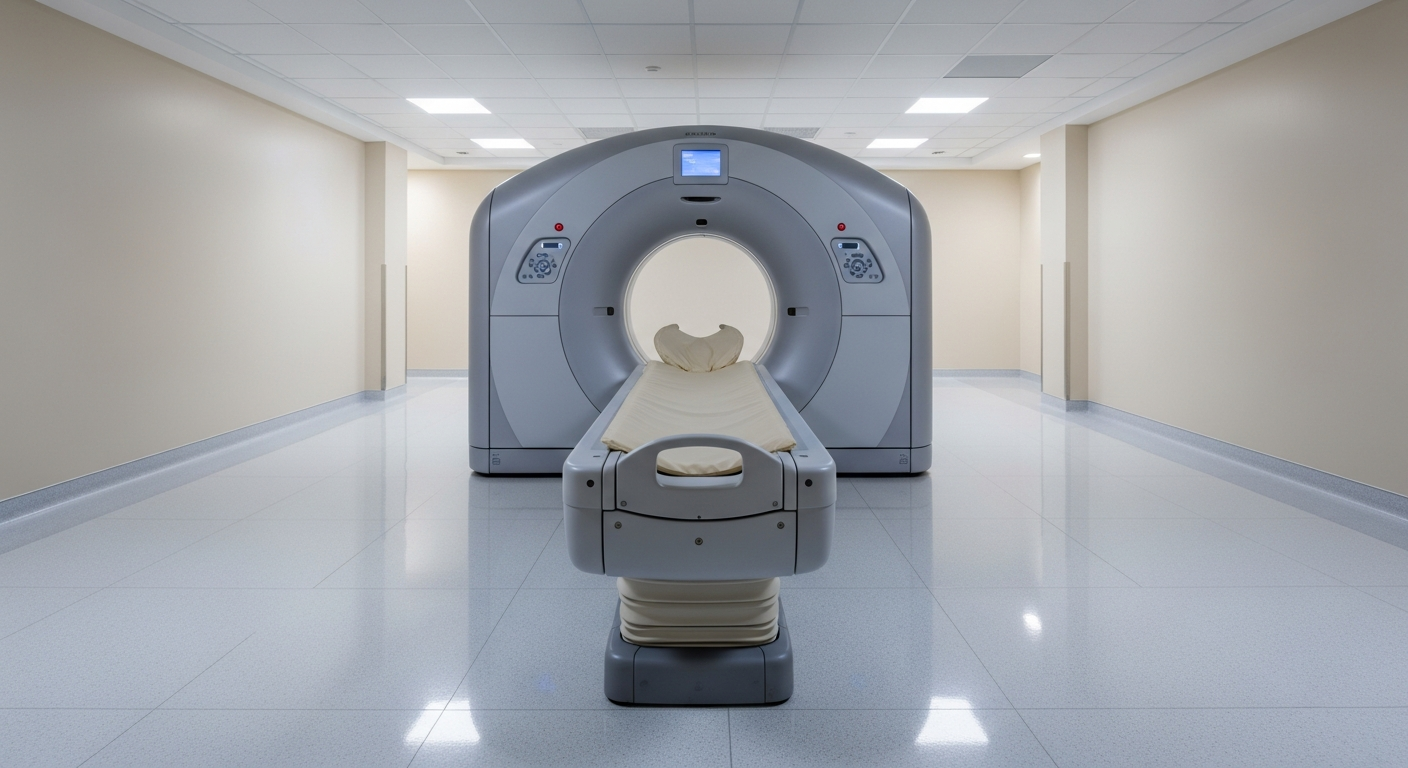
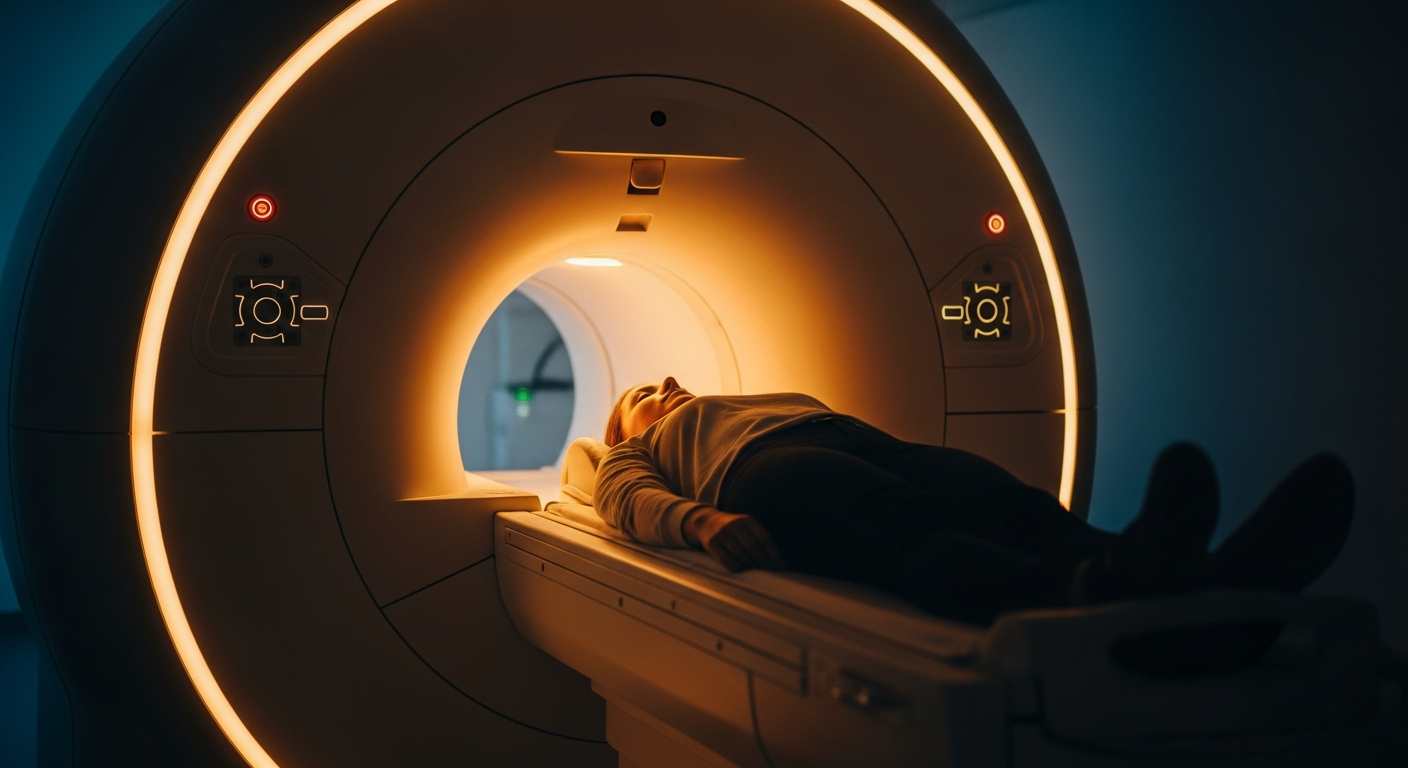
MRI uses a strong magnetic field to align hydrogen nuclei in your body, then pulses of radio-frequency energy to capture how those nuclei behave as they relax back. A computer reconstructs detailed cross-sectional images. There is no ionizing radiation.
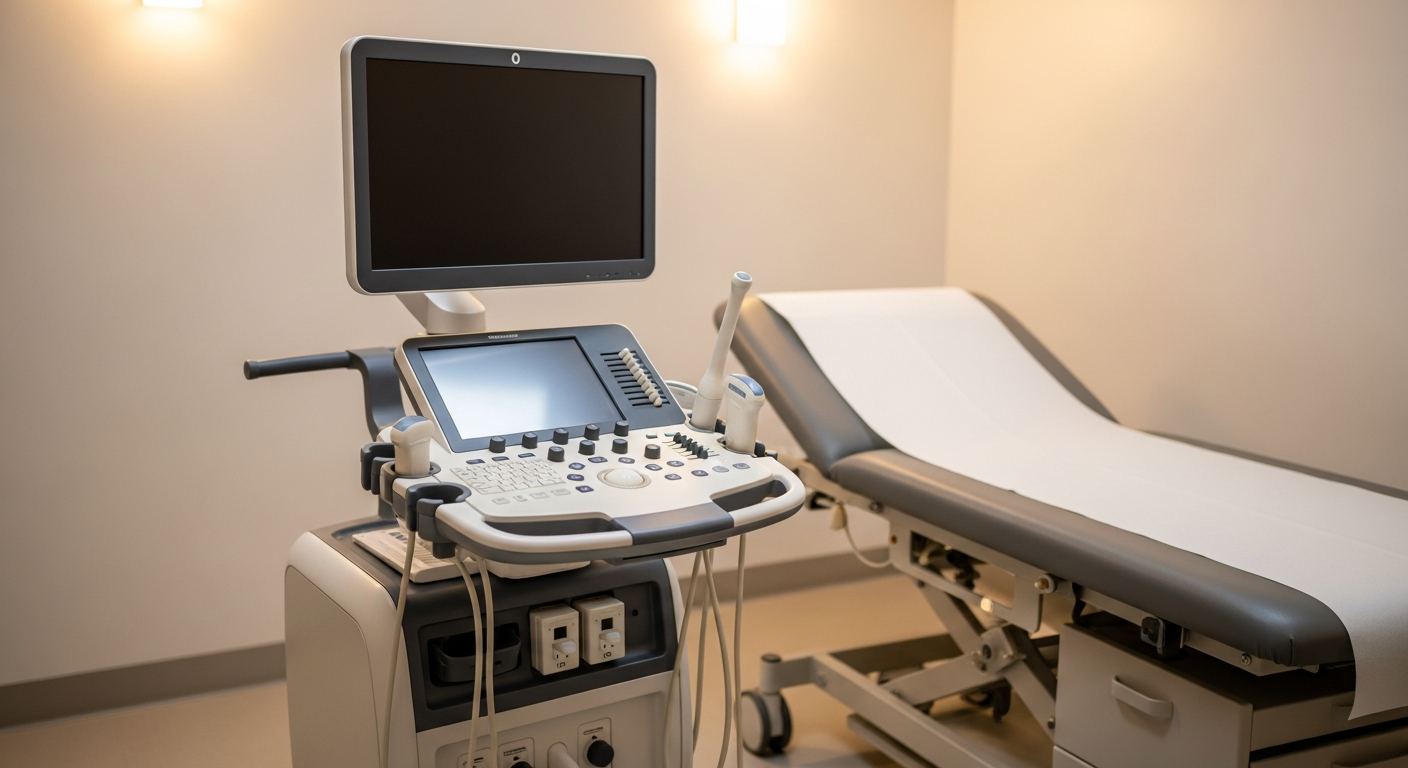
Ultrasound sends pulses of high-frequency sound waves into the body from a hand-held transducer. As sound bounces off tissue interfaces, the transducer captures the echoes and a computer renders a live, moving image on the screen. Doppler ultrasound adds blood-flow information.
When MRI is preferred
- Brain, spinal cord, or cranial nerve evaluation
- Deep musculoskeletal injuries (meniscus, labrum, rotator cuff)
- Internal derangement of large joints (knee, shoulder, hip)
- Soft-tissue tumors and masses needing tissue characterization
- Bone marrow conditions (stress fractures, marrow edema, infiltration)
- Pelvic or abdominal disease requiring detailed cross-sectional anatomy
When ultrasound is preferred
- Pregnancy and obstetric imaging
- Abdominal imaging in pediatric or pregnant patients
- Gallbladder, biliary, and superficial liver work-up
- Thyroid nodules and lymph nodes
- Pelvic imaging for ovaries and uterus (transabdominal or transvaginal)
- Soft-tissue masses near the surface (palpable lumps)
- Bedside or point-of-care evaluation where speed matters
- Pediatric hip dysplasia screening
Safety, speed, and cost differences
Radiation. Neither uses ionizing radiation — both are considered very safe for repeat imaging and for vulnerable populations (children, pregnancy).
Speed and convenience. Ultrasound is fast and chairside; no enclosed bore, no loud noise, and the sonographer can move the transducer to follow your symptoms in real time. MRI requires lying still in a scanner, but produces a complete cross-sectional dataset the radiologist can reformat in any plane after the exam.
Image detail. MRI generally wins for deep structures and for tissue characterization. Ultrasound wins for superficial structures, blood flow, and any question where a dynamic, real-time view matters.
Operator dependence. Ultrasound quality depends heavily on the sonographer's skill and the patient's body habitus. MRI is more standardized — the same protocol produces comparable images across sites.
Cost. Ultrasound is generally less expensive in both insurance and self-pay scenarios.
Contrast. MRI may use gadolinium; routine diagnostic ultrasound does not typically use contrast in outpatient settings.
Comfort. Ultrasound is open and quiet. MRI is enclosed and loud — wide-bore 3T or Open MRI options at Precise help if you're claustrophobic.
How to decide with your doctor
Most referrals specify the test. If you're choosing between options, your physician will weigh:
- What needs to be seen. Deep, detailed, soft-tissue questions → MRI. Superficial structures, vasculature, real-time motion, or pregnancy → ultrasound.
- Speed and convenience. Ultrasound is faster end-to-end.
- Cost and access. Ultrasound is generally less expensive and more widely available.
- Special populations. Pregnancy and pediatric questions often start with ultrasound.
To schedule, see MRI services or ultrasound services, or call 800-558-2223 for help choosing the right exam.
Frequently asked questions
Is ultrasound as accurate as MRI?+
For superficial structures, the abdomen, pelvis, pregnancy, vasculature, and many soft-tissue masses, ultrasound is highly accurate and often the first-choice test. For deep musculoskeletal injuries, brain, spine, and bone marrow, MRI is more accurate.
Why would my doctor order ultrasound first instead of MRI?+
Ultrasound is faster, less expensive, uses no radiation, requires no enclosed scanner, and provides real-time information. For many initial work-ups (abdominal pain, palpable lump, vascular concern) it answers the question quickly.
Is MRI ever needed after a normal ultrasound?+
Yes — when symptoms persist or the question requires deeper or more detailed imaging. For example, a normal abdominal ultrasound may be followed by MRI when chronic symptoms continue, or a normal MSK ultrasound may be followed by MRI when surgical planning is being considered.
Is ultrasound safe during pregnancy?+
Yes — ultrasound uses no ionizing radiation and has a long track record of safety for obstetric and pediatric imaging. MRI is also generally considered safe in pregnancy when indicated; gadolinium contrast is typically avoided.
Is ultrasound cheaper than MRI?+
In most insurance and self-pay scenarios, yes. Ultrasound is generally one of the most affordable imaging tests.