
Insights
Practical imaging knowledge, written by our team
Patient guides, clinical perspectives, and case-management tips from the radiologists, schedulers, and case coordinators across our California network.
Comparison guides
Which imaging study is right for you?
Side-by-side guides grouped by modality — MRI vs CT, open vs closed MRI, with vs without contrast, arthrogram vs standard MRI, and more.
Symptom Guides
When does this symptom need imaging?
Plain-language guides written for patients — what the scan shows, when it's actually needed, and how to schedule at Precise.
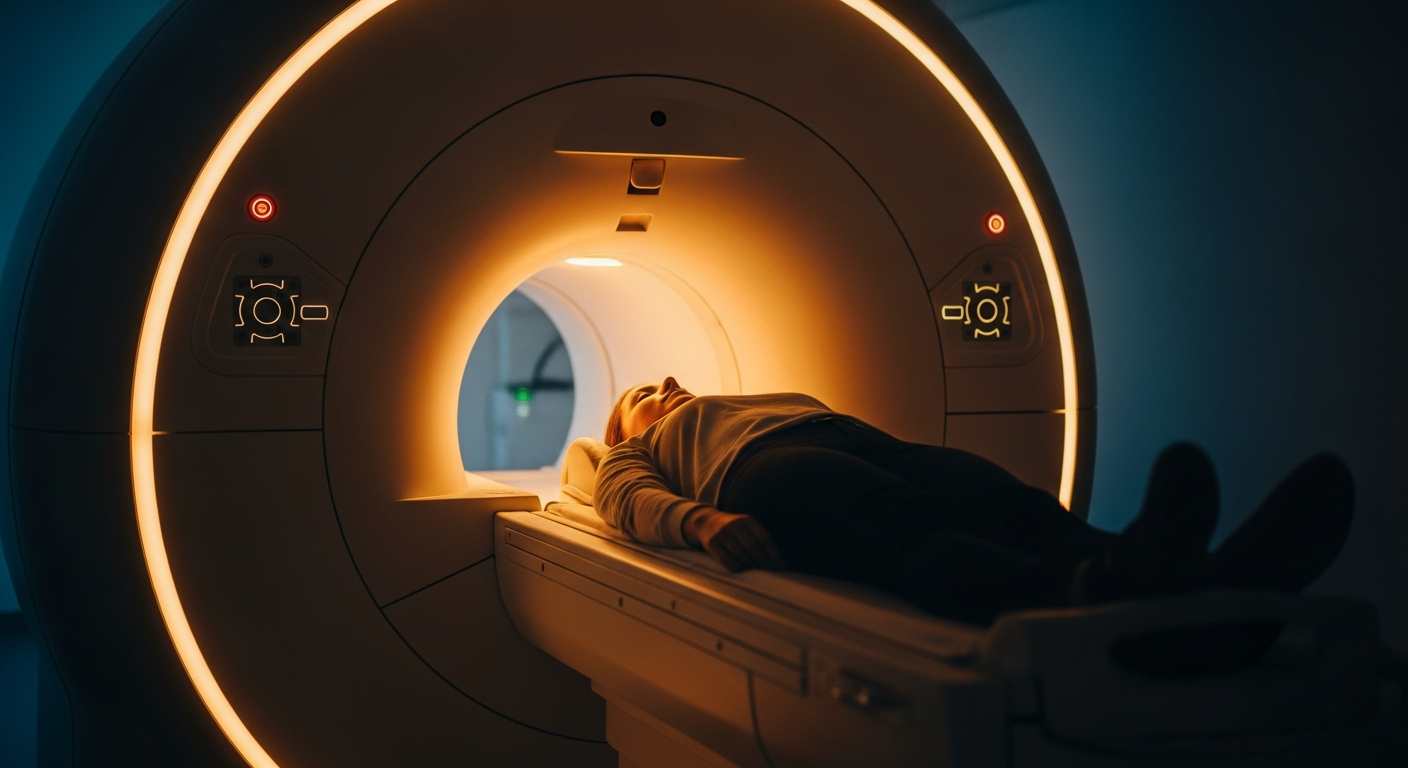
Ultrasound vs X-Ray — When Each Test Makes Sense
Ultrasound and X-ray are often the first imaging tests ordered, but they see completely different things. A plain guide to how physicians choose between them.
CT vs X-Ray — Which Imaging Test Does Your Doctor Need?
X-ray and CT both use ionizing radiation to image bone and tissue, but they answer very different clinical questions. Here's how physicians choose between them.
CT vs Ultrasound — When Each Test Is the Right Call
CT and ultrasound both look inside the body, but one uses radiation and cross-sectional detail while the other is radiation-free and real-time. A plain guide to how physicians choose.
When to Get an MRI for a Headache
Most headaches do not need imaging. Here are the patterns and red-flag features that typically warrant a brain MRI.
When to Get a Cardiac MRI
A patient-friendly look at the clinical situations where cardiac MRI is the right next step — and where it isn't.
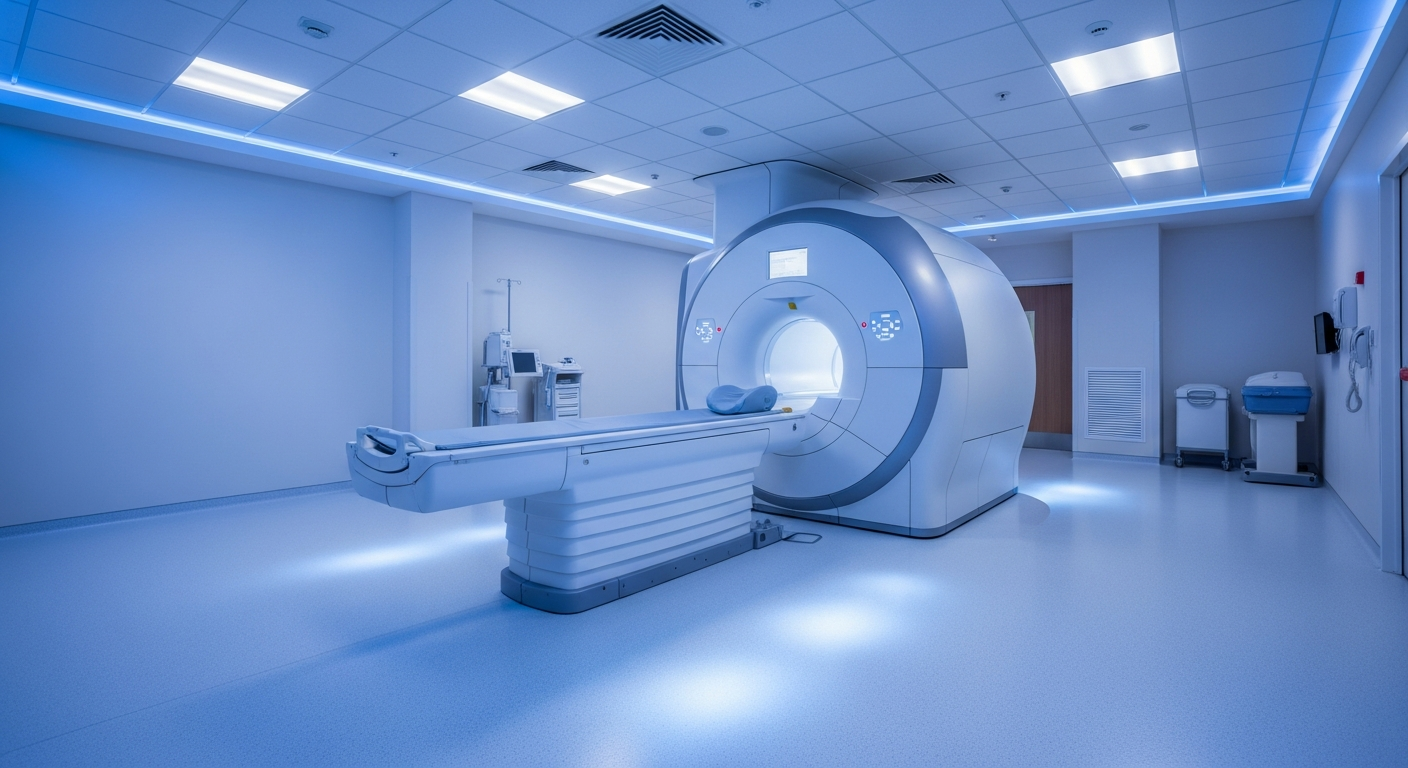
What a Cardiac MRI Shows
A patient-friendly tour of the structures, function, and tissue characteristics that cardiac MRI can evaluate.
What a Brain MRI Shows
A plain-language tour of the structures and findings a radiologist evaluates on a brain MRI.
Rotator Cuff Imaging
How X-ray, MRI, and MR arthrography fit into the work-up of suspected rotator cuff disease.
Return-to-Play Imaging — What Imaging Can and Cannot Tell You
Imaging supports return-to-play decisions but rarely makes them. Here's how to think about the role of follow-up scans.
Post-Op Imaging Basics — What to Expect After Orthopedic Surgery
A patient-friendly look at the role of X-ray and MRI after orthopedic surgery, and how metal artifact is managed.
Post-Concussion Imaging — What MRI Can and Can't Tell You
A patient-friendly look at when imaging is appropriate after a concussion, and what it can and cannot show.
MS Imaging Basics — How MRI Supports Multiple Sclerosis Care
A patient-friendly look at how MRI is used to diagnose and monitor multiple sclerosis.
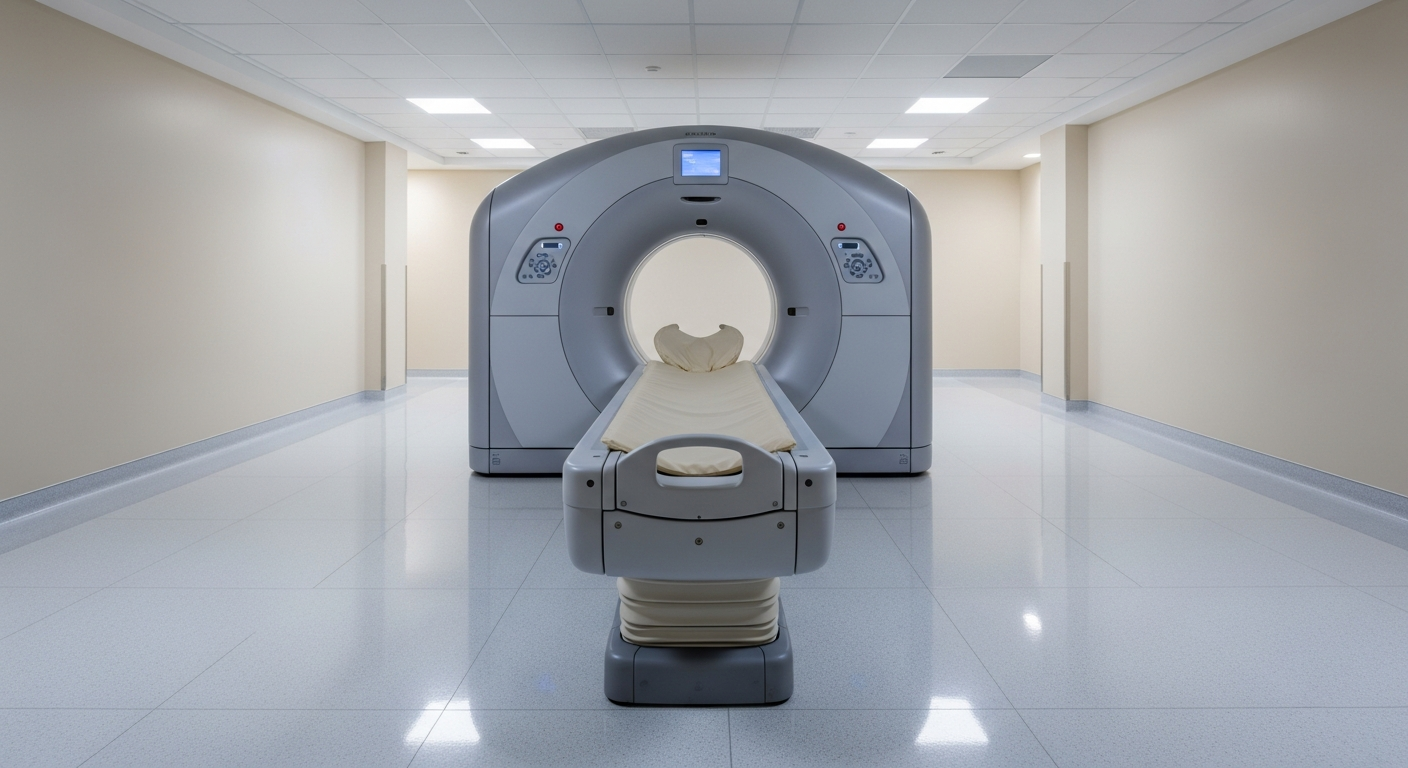
CT Angiography Explained — With vs. Without Contrast
What CT angiography is, why iodinated contrast is essential to it, and how it differs from a non-contrast CT.
Chest Pain Imaging Workup — What Precise Imaging Can and Can't Do
A conservative overview of the imaging studies that fit into a chest-pain work-up, focused on the tests Precise Imaging actually performs.
ACL Injury Imaging Pathway
The typical imaging sequence after a suspected ACL injury — from initial X-ray through MRI and beyond.
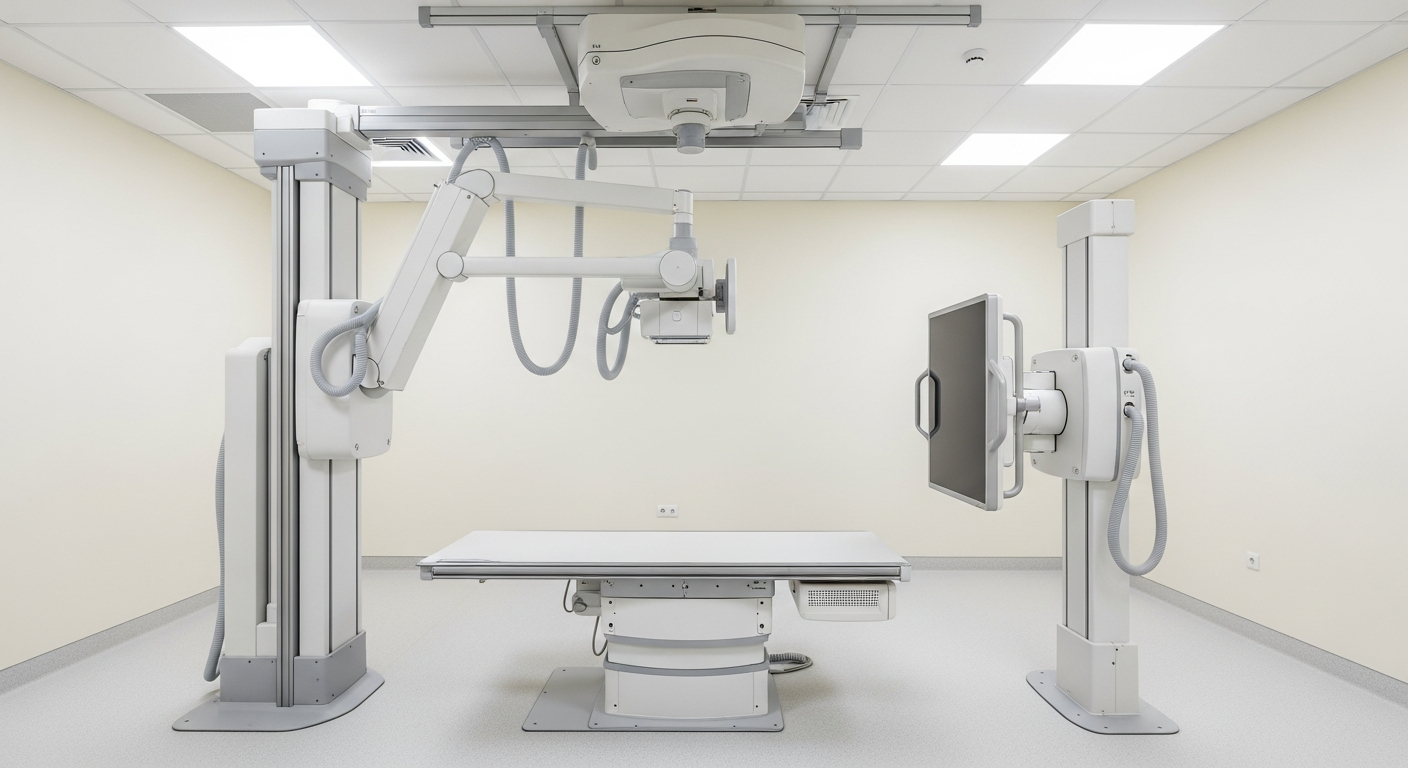
X-Ray vs MRI — When to Choose Each
Compare X-ray and MRI — what each shows best, radiation, scan time, cost, and how clinicians decide which imaging to order first.
Open vs Closed MRI — Which Is Right for You?
An honest comparison of Open MRI and closed (high-field) MRI — image quality, comfort, who each is best suited for, and what Precise Imaging offers at each site.
MRI With or Without Contrast — What's the Difference?
A plain-language guide to gadolinium contrast for MRI — when it's needed, how it works, safety considerations, and what to expect on the day of your scan.
MRI vs X-Ray for Back Pain — Which Should You Get First?
For most adults with new back pain, neither imaging test is needed at first. When it is, X-ray and MRI answer very different questions. Here's how to decide.
MRI vs Ultrasound — Which Imaging Is Right for You?
Compare MRI and ultrasound — what each shows best, scan time, radiation, cost, and the clinical situations where each one is the preferred test.
MRI vs CT — How to Tell Which Scan You Need
A side-by-side comparison of MRI and CT — what each does best, radiation exposure, scan time, cost, and how your physician chooses between them.
CT Angiography (CTA) vs Standard CT — What's the Difference?
CT angiography uses precisely-timed iodinated contrast to image blood vessels in detail. Compare CTA to a standard contrast-enhanced or non-contrast CT.
CT With or Without Contrast — What's the Difference?
A practical guide to iodinated contrast for CT scans — when it's needed, how it works, allergy and kidney considerations, and what to expect on scan day.

Arthrogram vs Standard MRI — Which One Do You Need?
An arthrogram adds contrast directly into a joint before MRI. Compare it to standard MRI — when each is preferred, what the procedure feels like, and recovery.
3T vs 1.5T MRI — Does the Higher Field Strength Matter?
Compare 3T and 1.5T MRI systems — image detail, scan time, safety with implants, and the studies that genuinely benefit from a higher-field magnet.
Sub-Specialty Reads: When They Matter Most
How fellowship-trained radiologists improve diagnostic accuracy for musculoskeletal, neuro, and body imaging referrals — and when to request one.
Streamlining Personal Injury Claims with Faster Imaging Records
How our law firm portal accelerates case resolution by delivering digitized records, billing, and final reads within 24 hours.
Preparing for Your High-Field 3T MRI Scan
Learn what to expect, what to wear, and how our advanced 3T scanners produce unparalleled detail in a fraction of the time of standard MRI.

Cutting Stat Report Turnaround to Under 4 Hours
Inside the workflow changes that doubled our stat reporting speed across the network — and what it means for your urgent cases.
Understanding Your Imaging Bill
A clear walkthrough of insurance coverage, self-pay options, and the financial assistance available at every Precise Imaging location.
Scheduling PI Cases on a Signed Lien (with Optional LOP)
A step-by-step guide to opening a lien-based PI case, scheduling across our 90+ facilities, and tracking billing from intake to settlement.